What Can and Cannot Go into a Rental Dumpster
Why Knowing What Can and Cannot Go Into a Rental Dumpster Saves You Money
Renting a dumpster for a home renovation or cleanout is straightforward—until you try to toss the wrong item. Knowing what can and cannot go into a rental dumpster saves you from surprise fees, rejected loads, and permit violations. Local rules vary by state and municipality, so what’s fine in Texas may trigger a fine in California.
The EPA bans hazardous waste like paints, solvents, and batteries from standard dumpsters. Most landfills also prohibit electronics, tires, and certain construction debris. Check with your local waste management department before you fill the bin.
For reliable service, start with Dumpster Rental Pros or see our Dumpster Rentals in Florida page for state-specific guidelines.
Common Items You Can Throw in a Rental Dumpster
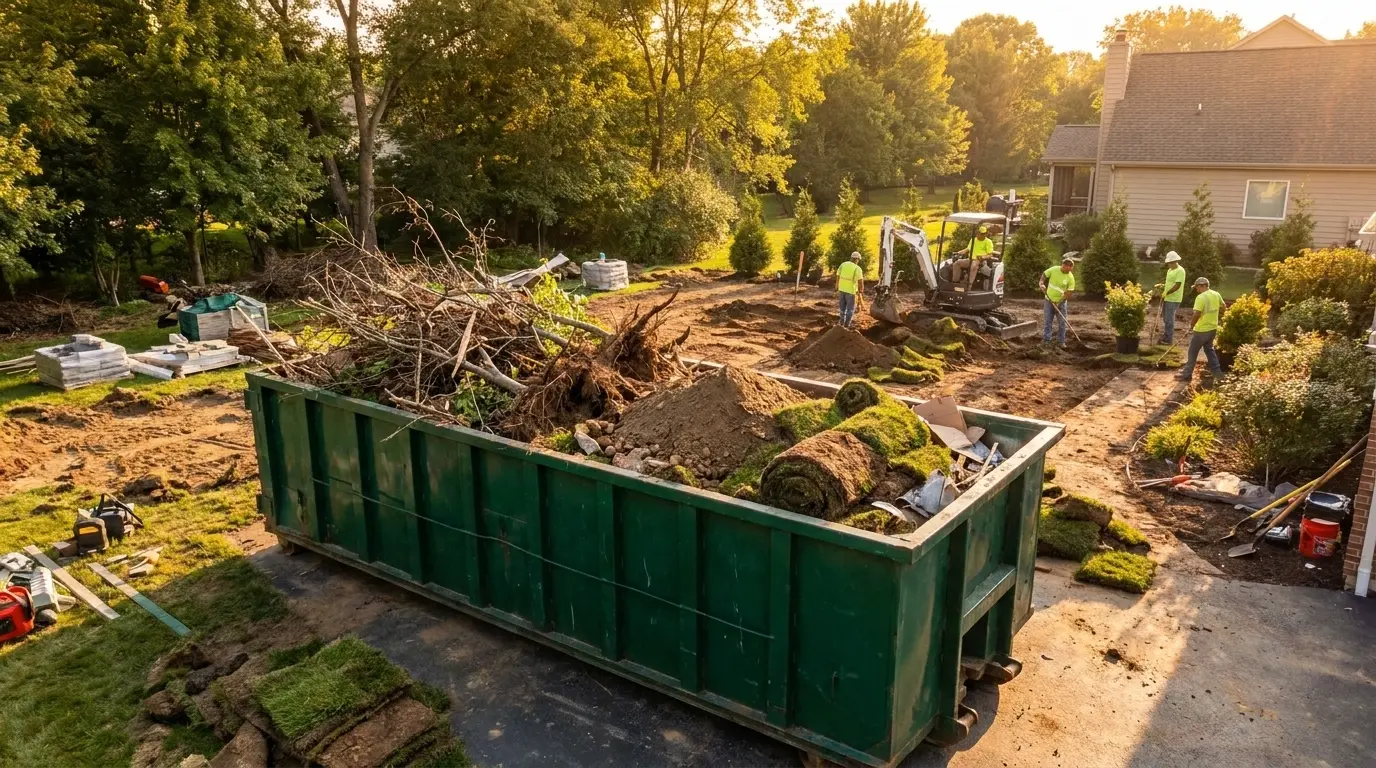
Most household junk, construction debris, and yard waste are allowed. This includes furniture, carpet, drywall, wood, metal, shingles, concrete, bricks, dirt, and general trash. Yard waste like branches and leaves is accepted in most areas, but some states require separate recycling. For example, California mandates that green waste be diverted from landfills. Always confirm with your local provider.
Hazardous Materials Are Strictly Prohibited
EPA regulations govern disposal of hazardous waste. Paints, solvents, batteries, pesticides, and cleaning chemicals cannot go in a standard dumpster. Oil, antifreeze, and propane tanks are also banned. Many states have additional rules. The Texas Commission on Environmental Quality enforces strict guidelines for oil-based paints. If you have hazardous items, contact a local household hazardous waste facility.
The EPA bans hazardous waste like paints, solvents, and batteries from standard dumpsters.
Electronics and Appliances: Know the Local Rules
Electronics (TVs, computers, monitors) contain lead and mercury. Most landfills ban them. Some states, like Washington, require e-waste recycling. Appliances with refrigerants (fridges, AC units) must be degassed by a certified technician before disposal. Many dumpster companies will not accept them. Check your state environmental agency for drop-off locations.
Tires and Batteries: Separate Disposal Required
Tires are banned from nearly all landfills due to fire and space issues. Some states charge a recycling fee. Car batteries contain lead and acid; they must go to a battery retailer or recycling center. Household batteries (AA, AAA) are also prohibited in many areas. California’s Universal Waste Rule requires proper recycling.
Construction Debris: What’s Allowed and What’s Not
Concrete, brick, and asphalt are usually accepted, but weight limits apply. Overloading can trigger Department of Transportation fines for overweight loads on public roads. Asbestos is strictly prohibited—it requires specialized disposal. Treated wood (pressure-treated lumber) contains chemicals; some landfills accept it, others don’t. Drywall is fine, but new drywall mud may be considered hazardous in some states.
Permit Requirements and Local Regulations
Most municipalities require permits for dumpsters placed on public property such as streets or sidewalks. Permit costs vary from $20 to $200. Homeowners often skip permits and risk fines. OSHA regulations apply to safe loading practices; overfilling a dumpster can lead to injury and citations. State-level recycling mandates for construction and demolition debris exist in states like Massachusetts and Oregon. Always ask your rental company about permit needs.
Weight Limits and Overload Penalties
Dumpster rentals have weight limits (typically 2–6 tons). Exceeding the limit results in overage charges. Heavy materials like concrete and dirt add up fast. A 10-yard dumpster can hold about 3 tons of concrete. Spread heavy items evenly. Department of Transportation rules also apply: overweight loads on public roads can stop a truck and cost you big.
Seasonal Demand and Pricing Drivers
Demand for dumpster rentals in the United States is driven by home renovations, construction projects, and seasonal cleanouts. Common customers include homeowners handling estate cleanouts or yard waste, contractors needing debris removal, and property managers managing commercial waste. The biggest national variables are regional landfill fees, municipal permit requirements, and seasonal demand spikes. Spring and fall are peak seasons; book early to avoid higher rates.
When to Call a Professional
If you’re unsure about an item, ask your dumpster provider. Many have lists of prohibited items. For complex projects (demo, roofing, large cleanouts), a reputable company like Dumpster Rental Pros can guide you. State-specific pages like Dumpster Rentals in Texas or Dumpster Rentals in New York offer local details. Don’t guess—a mistake can cost hundreds in fines and disposal fees.
The Bottom Line on What Can and Cannot Go Into a Rental Dumpster
Knowing the rules before you fill a dumpster saves money and headaches. Hazardous waste, electronics, tires, and batteries require separate disposal. Local permits and weight limits vary by city and state. Always check with your provider and local waste department.
The biggest mistake customers make is assuming everything can go in one bin. A single banned item can get your entire load rejected.
For a stress-free rental, start with Dumpster Rental Pros to find the right size and rules for your area. Our state pages—like Dumpster Rentals in California—break down local requirements. Order your dumpster today and avoid costly surprises.
Frequently Asked Questions
Can I dispose of paint in a rental dumpster?
Are electronics allowed in dumpsters?
Do I need a permit for a dumpster on my driveway?
What happens if I overload the dumpster?
Explore All Services
Browse all nationwide service options and choose the right fit for your project.
Rent a dumpster for construction debris nationwide. Delivery varies by market, code rules, and property type. Get a quote today.
Call NowNationwide Residential Cleanup from Dumpster Rental Pros. Prices, permits, and rules vary by market. Get a quote for your property type.
Call NowGet nationwide concrete disposal from Dumpster Rental Pros. Service delivery, permits, and costs vary by market and property type. Call for a quote.
Call NowReliable roofing tear-off dumpster rentals nationwide. Prices vary by market, code rules, and property type. Get a quote today.
Call NowFast estate cleanout service across the US. Prices vary by region and property type. Get a quote today.
Call NowReliable yard waste dumpster rental nationwide. Pricing and availability vary by market, code rules, and property type. Get a quote today.
Call NowReliable junk removal across the US. Delivery varies by market, local code, and property type. Call for a quote tailored to your area.
Call NowRenovation Waste dumpster rental nationwide. Service delivery varies by market, local codes, and property type. Get a free quote today.
Call NowNeed a Moving Dumpster? We offer nationwide coverage. Delivery and permit rules vary by local code and property type. Get a quote today.
Call NowDemolition debris removal across the US. Prices vary by market, code rules, and property type. Get a free quote today.
Call NowNationwide commercial waste disposal from Dumpster Rental Pros. Service varies by market, local codes, and property type. Call for availability and pricing.
Call NowNeed a large project dumpster? Prices and permit rules vary by market. Dumpster Rental Pros delivers reliable service across the US. Get your quote today.
Call NowBrowse by State
Choose your state or region to find local service coverage pages.
Need Nationwide Dumpster Rentals?
We connect you with trusted local providers in your state or city. Call or email us today.