Renting a Dumpster for a Large Construction Debris Cleanup
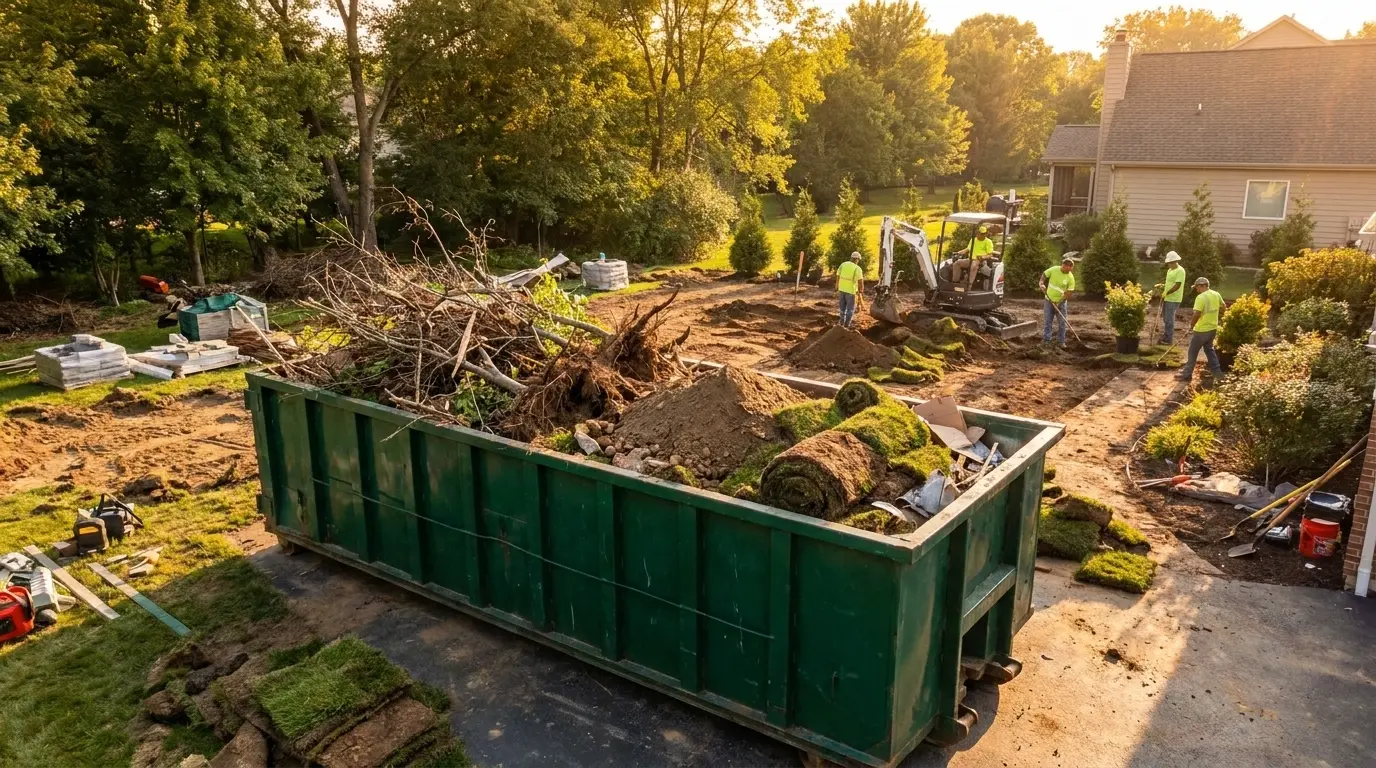
What You Need to Know Before Calling a Dumpster Rentals Company
Demand for dumpster rentals in the United States is driven by home renovations, construction projects, and seasonal cleanouts. Common customers include homeowners handling estate cleanouts or yard waste, contractors needing debris removal, and property managers managing commercial waste. The biggest national variables are regional landfill fees, municipal permit requirements, and seasonal demand spikes.
Most municipalities require permits for dumpsters placed on public property such as streets or sidewalks. Check with your local city or county permit office before delivery. Skipping this step can result in daily fines. Also, EPA regulations govern disposal of hazardous waste including paints, solvents, batteries, etc. These items must be kept out of your rental. Local landfill bans on items like electronics, tires, and certain construction debris also apply. Knowing these rules upfront saves you from surprise charges.
Sizing the Dumpster for Your Job
A large construction debris cleanup typically calls for a 20-yard, 30-yard, or 40-yard dumpster. A 20-yard unit holds about six pickup truck loads. A 40-yard container handles roughly twelve loads. Your choice depends on the project scope. A full kitchen or bathroom remodel fits in a 20-yard. A new roof or siding job on a 2,000-square-foot house often needs a 30-yard. Major demolition or new construction usually requires a 40-yard.
Overloading is a common mistake. Most dumpsters have a weight limit of 2 to 6 tons. Heavy materials like concrete, brick, and dirt add up fast. A 40-yard dumpster filled with concrete can exceed legal road weight limits. The Department of Transportation (DOT) enforces rules for overweight loads on public roads. Going over can mean an extra fee per ton. Ask your rental company about weight allowances before you fill the bin.
Permits and Placement Rules
Placement matters. If the dumpster sits on your driveway or private property, you usually don’t need a permit. If it goes on a street or sidewalk, most municipalities require a permit. Fees range from $20 to $200 depending on the city. Apply early. Some permit offices take several days to process requests.
Fire departments may have restrictions on flammable waste. Check with local fire departments for flammable waste restrictions. In dense urban areas like New York or San Francisco, street placement often requires a traffic plan. In suburban or rural areas, permits are simpler but still required.
Most municipalities require permits for dumpsters placed on public property such as streets or sidewalks. Always confirm with your local city or county permit office before delivery.
Prohibited Items and Hazardous Waste
You cannot throw everything into a construction debris dumpster. EPA regulations govern disposal of hazardous waste including paints, solvents, batteries, and pesticides. These items require special handling. Local landfill bans also apply. Common banned items include electronics, tires, and certain construction debris like asbestos-containing materials.
State-level recycling mandates for construction and demolition debris are common. California, Oregon, and Washington require recycling of at least 50% of C&D waste. Contractors in these states must sort materials on site or use a facility that does. Failure to comply can lead to fines.
Safety and Loading Best Practices
OSHA regulations for safe loading practices and weight limits apply to all dumpster rentals. Do not fill the dumpster above the rim. Loose debris can fall out during transport. Keep the load level. Do not stack items higher than the side walls.
Loading heavy items first keeps the dumpster stable. Place concrete, dirt, and tile at the bottom. Lighter materials like wood and drywall go on top. This prevents shifting during pickup.
Cost Factors and Regional Differences
Pricing for a large construction debris dumpster varies by region. Landfill fees are a major driver. In the Northeast, disposal costs can be double those in the Midwest. Seasonal demand also affects price. Spring and summer see higher rates due to renovation season.
Local landfill fees, municipal permit requirements, and seasonal demand spikes are the biggest national variables. In Texas, landfill fees are relatively low. In New York, they are among the highest. Always get a quote that includes delivery, pickup, disposal, and any overage charges.
Working with Regulatory Agencies
Several agencies oversee dumpster rentals. The Environmental Protection Agency (EPA) sets rules for hazardous waste. The Occupational Safety and Health Administration (OSHA) enforces safe loading practices. State environmental agencies like the Texas Commission on Environmental Quality handle local compliance. Local waste management departments issue permits and enforce recycling mandates. The Department of Transportation (DOT) enforces weight limits on public roads.
Industry groups like the National Waste & Recycling Association (NWRA), Solid Waste Association of North America (SWANA), and Construction & Demolition Recycling Association (CDRA) provide best practices. Associated General Contractors of America (AGC) and local chambers of commerce also offer guidance.
When to Call a Professional
If your project involves hazardous materials, call a professional. If you need a permit and don’t know the process, a rental company can help. For large commercial jobs, a roll-off dumpster from a national provider like Dumpster Rental Pros ensures compliance across state lines. State-specific services like Dumpster Rentals in California or Dumpster Rentals in Florida handle local rules.
Delaying debris removal can cause problems. Piles of debris attract pests. They also create trip hazards. In some cities, leaving debris on site too long results in code violations and fines. Get the dumpster ordered before the work starts. That way, debris goes straight into the bin.
Next Steps for Your Construction Debris Cleanup
Renting a dumpster for a large construction debris cleanup is a straightforward process when you know the rules. Check your local permit requirements. Know what materials are banned. Choose the right size for your job. Load it safely to avoid extra fees.
Demand for dumpster rentals in the United States is driven by home renovations, construction projects, and seasonal cleanouts. The biggest national variables are regional landfill fees, municipal permit requirements, and seasonal demand spikes. Ignoring these factors can cost you time and money.
Ready to get started? Contact Dumpster Rental Pros for a quote. We handle permits, weight limits, and local regulations so you can focus on the work. For state-specific help, visit Dumpster Rentals in Texas or Dumpster Rentals in New York.
Frequently Asked Questions
What size dumpster do I need for a large construction debris cleanup?
Do I need a permit to place a dumpster on the street?
What items are prohibited in a construction debris dumpster?
How much does it cost to rent a dumpster for a large construction cleanup?
Can I fill the dumpster above the rim?
What happens if I exceed the weight limit?
Explore All Services
Browse all nationwide service options and choose the right fit for your project.
Rent a dumpster for construction debris nationwide. Delivery varies by market, code rules, and property type. Get a quote today.
Call NowNationwide Residential Cleanup from Dumpster Rental Pros. Prices, permits, and rules vary by market. Get a quote for your property type.
Call NowGet nationwide concrete disposal from Dumpster Rental Pros. Service delivery, permits, and costs vary by market and property type. Call for a quote.
Call NowReliable roofing tear-off dumpster rentals nationwide. Prices vary by market, code rules, and property type. Get a quote today.
Call NowFast estate cleanout service across the US. Prices vary by region and property type. Get a quote today.
Call NowReliable yard waste dumpster rental nationwide. Pricing and availability vary by market, code rules, and property type. Get a quote today.
Call NowReliable junk removal across the US. Delivery varies by market, local code, and property type. Call for a quote tailored to your area.
Call NowRenovation Waste dumpster rental nationwide. Service delivery varies by market, local codes, and property type. Get a free quote today.
Call NowNeed a Moving Dumpster? We offer nationwide coverage. Delivery and permit rules vary by local code and property type. Get a quote today.
Call NowDemolition debris removal across the US. Prices vary by market, code rules, and property type. Get a free quote today.
Call NowNationwide commercial waste disposal from Dumpster Rental Pros. Service varies by market, local codes, and property type. Call for availability and pricing.
Call NowNeed a large project dumpster? Prices and permit rules vary by market. Dumpster Rental Pros delivers reliable service across the US. Get your quote today.
Call NowBrowse by State
Choose your state or region to find local service coverage pages.
Need Nationwide Dumpster Rentals?
We connect you with trusted local providers in your state or city. Call or email us today.